What is the Price of a Laser Welding Machine in India? A Comprehensive Guide for Industrial Buyers

Understanding the Investment: Price of a laser welding machine in India

In the rapidly evolving landscape of Indian manufacturing, precision and efficiency are paramount. Laser welding technology has emerged as a game-changer, offering unparalleled quality, speed, and versatility across various industries. From intricate electronics to heavy automotive components, the demand for robust and reliable welding solutions is driving significant interest in these advanced machines. For factory owners, engineers, and procurement managers, a crucial question often arises: what is the price of a laser welding machine in India?

Investing in a laser welding machine is a strategic decision that promises long-term benefits in productivity and product quality. However, understanding the various factors that contribute to its cost is essential for making an informed purchase. This comprehensive guide will delve into the intricacies of pricing, technology, applications, and selection criteria, helping you navigate the market for laser welding machines in India.

What is Laser Welding Technology?

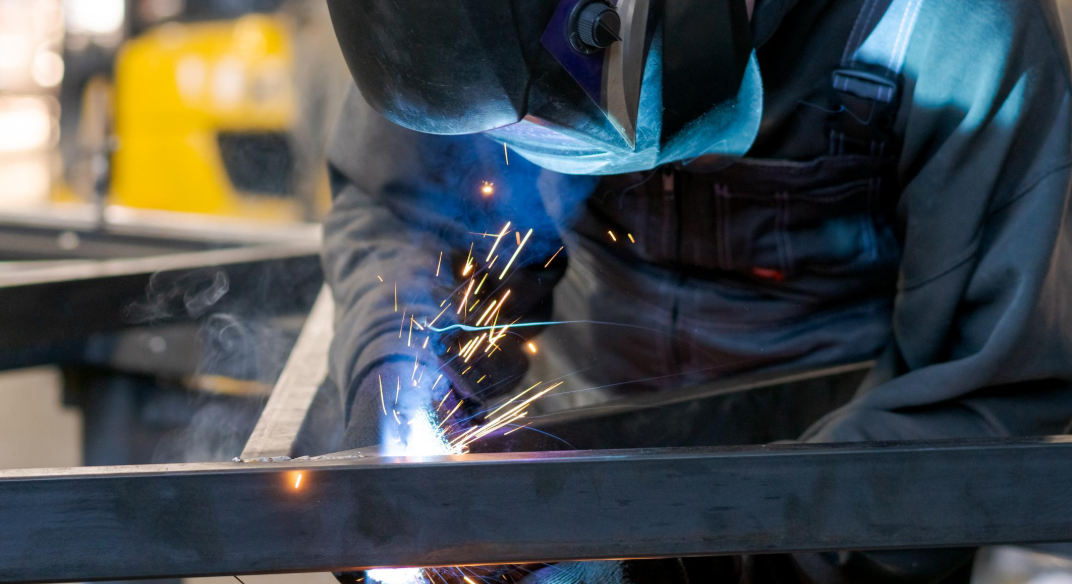
Laser welding is a cutting-edge fusion process that uses a highly concentrated laser beam as a heat source to join multiple pieces of metal or thermoplastics. Unlike traditional welding methods that rely on direct contact or open flames, laser welding offers a non-contact, high-energy process that minimizes heat-affected zones, reducing distortion and improving weld quality.

The technology leverages the precise control of a laser beam, which can be focused to an extremely small spot size, delivering intense energy to melt and fuse materials. This results in narrow, deep welds with exceptional strength and aesthetic finish. It is particularly effective for delicate components and materials that are sensitive to heat, making it an indispensable tool in modern manufacturing.

Key Factors Influencing Laser Welding Machine Prices in India

The price of a laser welding machine in India can vary significantly, ranging from a few lakhs to several crores of rupees. This wide spectrum is influenced by a multitude of factors, each playing a crucial role in the machine’s capabilities, performance, and overall cost.

Laser Source Type

  • Fiber Lasers: These are the most common and popular choice for laser welding machines due to their high efficiency, compact size, long lifespan, and low maintenance. They offer excellent beam quality, making them ideal for precision welding. Fiber laser-based laser welding machines typically fall in the mid to high-price range.
  • YAG Lasers (Nd:YAG): Historically used for welding, YAG lasers are still found in some applications. While versatile, they generally have lower electrical efficiency and higher maintenance needs compared to fiber lasers, affecting their long-term operational costs and initial pricing.
  • CO2 Lasers: Primarily used for laser cutting machine of non-metals and thicker metals, CO2 lasers are less common for precision welding applications but exist for specific industrial tasks. Their bulky nature and beam delivery systems can influence their cost.

Laser Power (Wattage)

The power of the laser, measured in watts (W), is a primary determinant of cost. Higher power lasers (e.g., 1000W to 6000W or more) can weld thicker materials and at faster speeds, significantly increasing productivity. Naturally, machines with higher laser power come with a higher price tag due, to more robust components and advanced laser sources. Entry-level handheld laser welding machines might start at 1000W-1500W, while industrial robotic systems can go much higher.

Machine Configuration and Automation Level

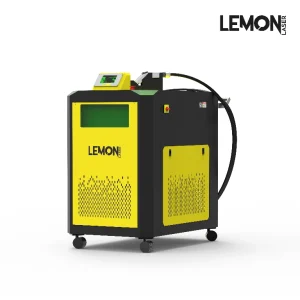
  • Handheld Laser Welding Machines: These are the most affordable and flexible options, ideal for small workshops, repair work, and varied job requirements. Their portability and ease of use contribute to their growing popularity.
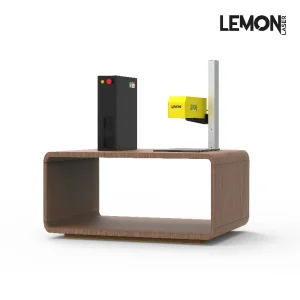
  • Desktop/Benchtop Laser Welding Machines: Designed for smaller components and precision work, these are a step up from handhelds in terms of stability and automation potential.
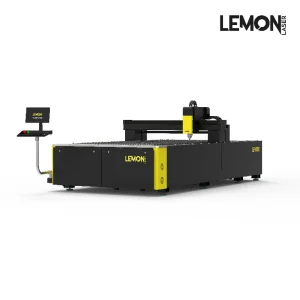
  • Gantry/Robotic Laser Welding Machines: For high-volume production, complex geometries, and fully automated lines, robotic or gantry-based systems offer superior precision and repeatability. These integrated solutions, often with multi-axis capabilities and advanced control systems, represent a significant investment.

Brand and Manufacturer Reputation

Reputable international brands often command higher prices due to their established track record, advanced R&D, and global service networks. Indian manufacturers, however, offer competitive pricing with increasing quality and local support. Choosing between domestic and international brands often involves balancing initial cost, perceived reliability, and after-sales service availability.

Software and Control Systems

Sophisticated control software and user interfaces contribute to ease of operation, programming flexibility, and welding precision. Advanced features like real-time process monitoring, customizable welding parameters, and CAD/CAM integration can add to the machine’s overall cost but enhance its capabilities and efficiency.

Additional Features and Accessories

The inclusion of various add-ons significantly impacts the price. These can include:

  • Automatic wire feeders for continuous welding.
  • Vision systems or cameras for precise alignment and monitoring.
  • Fume extraction systems for operator safety and air quality.
  • Chillers for maintaining optimal laser temperature.
  • Rotary jigs or fixtures for cylindrical parts.
  • Safety enclosures and light curtains.

After-Sales Service, Warranty, and Training

Comprehensive after-sales support, including installation, technical assistance, spare parts availability, and warranty, adds significant value and is often factored into the price. Thorough operator training ensures efficient machine utilization and longevity. A robust service network in India is crucial for minimizing downtime.

Customization Requirements

If a standard laser welding machine does not meet specific production needs, customization can be requested. Tailored solutions for unique applications, material handling, or integration into existing production lines will naturally incur additional design and manufacturing costs.

Import Duties and Taxes

For imported laser welding machines, import duties, customs clearance charges, and Goods and Services Tax (GST) significantly contribute to the final landed cost in India. Local manufacturing or assembly by Indian suppliers can mitigate some of these costs, offering more competitive pricing.

Estimated Price Range of Laser Welding Machines in India

While exact prices fluctuate based on the factors mentioned above, here’s a general estimation of the price range for different types of laser welding machines in India:

  • Handheld Laser Welding Machines (1000W-2000W Fiber Laser): Typically range from INR 4,00,000 to INR 15,00,000. These are excellent entry-level options for various industries, offering a balance of performance and affordability.
  • Entry-Level Industrial Laser Welding Machines (Gantry/Desktop, 1500W-3000W Fiber Laser): Prices can range from INR 15,00,000 to INR 40,00,000. These machines provide more automation and higher power for small to medium-scale production.
  • Advanced Industrial/Robotic Laser Welding Machines (3000W+ Fiber Laser, Multi-axis Robotics): These high-end systems can start from INR 40,00,000 and go upwards of INR 1,00,00,000 or even more, depending on the level of automation, power, and customization. They are designed for large-scale, high-precision manufacturing environments.

It’s crucial to obtain detailed quotations from multiple suppliers, specifying your exact requirements to get an accurate price.

Applications of Laser Welding Machines

The versatility and precision of laser welding machines have led to their widespread adoption across numerous industrial sectors, proving invaluable where traditional welding methods fall short. The ability to perform fine welds on delicate parts, as well as robust welds on structural components, makes them highly adaptable.

  • Automotive Industry: Used for welding gears, transmissions, battery packs for EVs, body-in-white components, and intricate sensor housings. The speed and precision are critical for high-volume production.
  • Aerospace and Defense: Ideal for joining lightweight alloys and superalloys in aircraft structures, engine components, and satellite parts where material integrity is paramount.
  • Medical Devices: Critical for welding surgical instruments, pacemakers, implants, and other sensitive medical devices where cleanliness, precision, and biocompatibility are essential.
  • Electronics Industry: Employed for micro-welding components in circuit boards, sensors, connectors, and consumer electronics, benefiting from minimal heat input and small spot sizes.
  • Jewelry Manufacturing: Provides incredibly fine and aesthetic welds for intricate designs in gold, silver, and other precious metals, without damaging surrounding areas.
  • General Fabrication and Sheet Metal: Effective for joining various sheet metals, often complementing a laser cutting machine in fabrication shops. This includes cabinets, enclosures, and custom metal parts.
  • Energy Sector: Used in the fabrication of solar panels, heat exchangers, and components for power generation where leak-proof and strong joints are required.

Benefits of Investing in a Laser Welding Machine

Beyond the initial investment, a laser welding machine offers a compelling return on investment through numerous operational and quality advantages.

  • High Precision and Accuracy: Laser beams can be focused to extremely small diameters, allowing for precise welds even on miniature or complex parts. This minimizes material distortion and ensures high-quality joints.
  • Superior Weld Quality: Produces clean, narrow, and deep welds with excellent strength and minimal heat-affected zones (HAZ). This reduces the need for post-weld finishing, saving time and costs.
  • Increased Welding Speed: Laser welding machines are significantly faster than traditional methods, boosting production throughput and reducing manufacturing lead times.
  • Versatility in Materials: Capable of welding a wide range of metals, including stainless steel, aluminum, copper, titanium, and various alloys, sometimes even dissimilar metals.
  • Reduced Consumables: Typically requires fewer or no filler materials and electrodes compared to arc welding, leading to lower operational costs.
  • Minimal Distortion: The concentrated heat input reduces thermal distortion and warping of parts, crucial for maintaining dimensional accuracy.
  • Automation Potential: Easily integrated into automated production lines and robotic systems, enhancing consistency and reducing labor costs.
  • Improved Safety: As a non-contact process, it reduces operator exposure to heat, fumes, and UV radiation, enhancing workplace safety when combined with proper enclosures and fume extraction.

How to Choose the Right Laser Welding Equipment

Selecting the ideal laser welding machine requires careful consideration of your specific needs, budget, and long-term goals. A thorough evaluation will ensure you choose a machine that delivers optimal performance and value.

Assess Your Production Needs

  • Material Types and Thicknesses: What materials will you be welding? What are their thicknesses? This will dictate the required laser power and type.
  • Production Volume: For high-volume production, an automated or robotic system will be more cost-effective in the long run. For low-volume or varied jobs, a handheld or benchtop unit might suffice.
  • Weld Requirements: Consider the desired weld depth, width, aesthetic finish, and structural integrity needed for your applications.
  • Part Size and Geometry: The size and complexity of your parts will influence the necessary work envelope, fixturing, and axis capabilities of the machine.

Budget Considerations and ROI

While the initial purchase price is important, also consider the total cost of ownership (TCO). This includes operational costs (power, consumables), maintenance, spare parts, and the potential return on investment (ROI) through increased productivity, reduced scrap, and improved product quality. A laser welding machine might have a higher upfront cost but lower long-term operating expenses than traditional methods.

Supplier Reputation and Support

Choose a supplier with a strong reputation for quality, reliability, and excellent after-sales service in India. Look for companies that offer comprehensive warranty, prompt technical support, readily available spare parts, and adequate training for your operators. This ensures minimal downtime and maximizes your investment.

Why Choose Lemon Laser for Your Welding Needs

When it comes to advanced manufacturing solutions, Lemon Laser stands out as a trusted partner for businesses in India. We understand the critical balance between performance, reliability, and cost-effectiveness. Our range of laser welding machines is engineered with precision, incorporating the latest fiber laser technology to deliver superior welding results across diverse applications.

At Lemon Laser, we prioritize customer success by offering not just high-quality machinery but also comprehensive support. Our expertise ensures you receive a solution tailored to your specific production demands, backed by robust after-sales service and technical assistance. Whether you require a versatile handheld unit or a high-throughput industrial system, Lemon Laser provides reliable equipment and knowledgeable guidance to optimize your manufacturing processes.

Maintenance and Operational Tips for Laser Welding Machines

Proper maintenance and operational practices are crucial for ensuring the longevity, efficiency, and consistent performance of your laser welding machine. Adhering to these guidelines will help maximize your investment and minimize downtime.

  • Regular Cleaning of Optics: The laser optics (focusing lens, protective windows) must be kept meticulously clean to prevent power loss and damage. Use only recommended cleaning solutions and techniques.
  • Chiller Maintenance: Ensure the chiller operates optimally by regularly checking coolant levels, cleaning filters, and maintaining the recommended temperature settings. The chiller is vital for the laser source’s health.
  • Fume Extraction System: Regularly inspect and clean or replace filters in the fume extraction system. This protects operators, the machine, and maintains a clean working environment.
  • Software Updates: Keep the machine’s control software updated to benefit from performance improvements, new features, and bug fixes.
  • Cable and Connection Checks: Periodically inspect all electrical and fiber optic cables for wear, damage, or loose connections. Secure connections prevent power fluctuations and signal loss.
  • Operator Training: Ensure all operators are thoroughly trained in machine operation, safety protocols, and basic troubleshooting. Proper handling prevents accidental damage and ensures safe operation.
  • Preventative Maintenance Schedule: Adhere to the manufacturer’s recommended preventative maintenance schedule. Regular professional servicing can identify potential issues before they lead to costly breakdowns.

Future of Laser Technology in Manufacturing

The future of laser technology in Indian manufacturing is exceptionally bright, with continuous advancements promising even greater efficiencies and capabilities. We can anticipate further integration of artificial intelligence (AI) and machine learning (ML) for optimized welding parameters and predictive maintenance, enhancing the autonomy of laser welding machines.

Innovations in laser sources will lead to more compact, powerful, and energy-efficient systems. The growing emphasis on automation and Industry 4.0 will see laser welding machines becoming integral components of smart factories, communicating seamlessly with other equipment like a laser cutting machine to create fully automated production lines. Expect to see expanded capabilities for joining dissimilar materials and even more complex geometries, solidifying laser welding’s role as a cornerstone of advanced manufacturing.

Conclusion

The price of a laser welding machine in India is a multifaceted consideration, influenced by technology, power, automation, brand, and support. While the initial investment might seem significant, the long-term benefits in terms of precision, speed, quality, and versatility often far outweigh the cost, offering a substantial competitive edge in the market.

For manufacturers looking to elevate their production capabilities, investing in a laser welding machine is a strategic move towards a more efficient and high-quality future. By carefully evaluating your needs, understanding the pricing factors, and choosing a reputable supplier like Lemon Laser, you can make an informed decision that drives significant value for your business in the dynamic Indian industrial landscape.

Leave a Comment

Your email address will not be published.

Select the fields to be shown. Others will be hidden. Drag and drop to rearrange the order.
  • Image
  • SKU
  • Rating
  • Price
  • Stock
  • Availability
  • Add to cart
  • Description
  • Content
  • Weight
  • Dimensions
  • Additional information
Click outside to hide the comparison bar
Compare